
Empowering through Jazz Music Education Resources and Programs
Music is a language that speaks directly to the soul. It has the power to inspire, heal, and connect people across cultures and generations. When you dive into music education, especially in the rich and expressive world of jazz, you open doors to creativity, discipline, and personal growth. Jazz music education resources offer a unique blend of tradition and innovation, inviting you to explore complex rhythms, improvisation, and emotional storytelling through sound.
Whether you are a musician seeking to deepen your craft, an artist looking to expand your expressive tools, or an enthusiast eager to understand the nuances of jazz and blues, music education programs can be your guiding light. These programs not only teach you how to play but also empower you to find your voice and share it confidently with the world.

Exploring Jazz Music Education Resources
Jazz music education resources are as diverse as the genre itself. They range from traditional classroom settings to online platforms, workshops, and community programs. These resources provide you with the technical skills and historical context needed to appreciate and perform jazz authentically.
You might find sheet music collections, instructional videos, and interactive apps that break down complex jazz chords and scales. Some programs focus on improvisation techniques, helping you develop spontaneity and creativity. Others emphasize ensemble playing, teaching you how to listen and respond to fellow musicians in real time.
For example, many jazz education programs include masterclasses led by seasoned professionals. These sessions offer invaluable insights into the subtleties of phrasing, timing, and emotional expression. They also create a supportive environment where you can experiment and grow without fear of judgment.
Community-based initiatives often provide access to instruments and practice spaces, making music education more inclusive. These programs can be especially empowering for young people or those who might not otherwise have the opportunity to engage with jazz music.
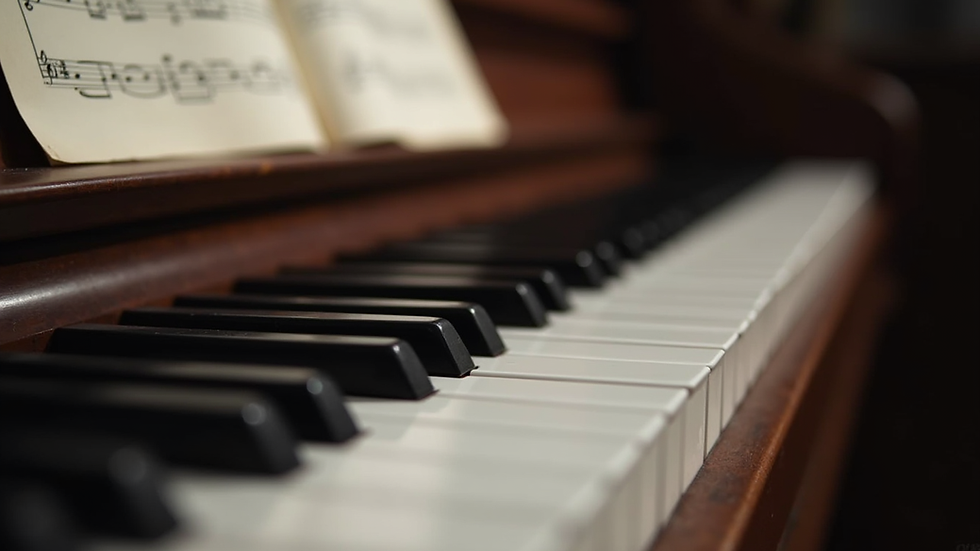
What can you do with a bachelor's of arts in music?
A Bachelor of Arts in Music opens a world of possibilities. With this degree, you gain a solid foundation in music theory, history, and performance, equipping you to pursue various career paths. You can become a professional musician, composer, or arranger, performing in jazz bands, orchestras, or as a solo artist.
Beyond performance, you might explore roles in music education, teaching the next generation of artists in schools, private studios, or community centers. Your knowledge can also lead you into music therapy, where you use sound to support emotional and physical healing.
If you have a passion for technology, careers in music production, sound engineering, or audio design might appeal to you. These fields allow you to shape the soundscapes of recordings, films, and live performances.
Additionally, a music degree can be a stepping stone to arts administration or cultural management, where you help organize concerts, festivals, and educational programs. This path aligns well with organizations like TAVN, which aim to promote and support jazz and blues artists while ensuring fair compensation.
Whatever direction you choose, your degree provides a versatile toolkit. It nurtures discipline, creativity, and critical thinking—skills that are valuable in many professional contexts.
The Role of Community and Technology in Music Education
In today’s world, community and technology play pivotal roles in music education. You can connect with fellow musicians and educators globally, sharing ideas and resources that enrich your learning experience.
Online platforms offer courses and tutorials that fit your schedule and learning style. You can watch performances, participate in virtual jam sessions, and receive feedback from instructors no matter where you are. This accessibility breaks down barriers and democratizes music education.
At the same time, local communities remain vital. They provide spaces for live interaction, collaboration, and cultural exchange. Community music programs often emphasize inclusivity, welcoming people of all ages and backgrounds to explore jazz and blues.
Programs like CCJA exemplify this blend of community and technology. They offer diverse educational content and platforms that connect artists with audiences, fostering a vibrant ecosystem where creativity thrives and artists are valued.
Practical Tips for Engaging with Jazz Music Education
If you’re ready to immerse yourself in jazz music education, here are some practical steps to get started:
Set clear goals - Decide what you want to achieve, whether it’s mastering an instrument, understanding jazz theory, or composing your own pieces.
Choose the right resources - Look for programs and materials that match your skill level and interests. Don’t hesitate to explore different formats like books, videos, or apps.
Practice regularly - Consistency is key. Even short daily sessions can build your skills and confidence over time.
Join a community - Find local or online groups where you can share your progress, ask questions, and collaborate.
Attend live performances - Experiencing jazz in person deepens your appreciation and inspires your own playing.
Seek mentorship - Learning from experienced musicians can accelerate your growth and provide valuable guidance.
Record and review - Listening to your own performances helps identify areas for improvement and track your development.
By following these steps, you create a nurturing environment for your musical journey, turning challenges into opportunities for growth.
Embracing the Transformative Power of Music Education
Music education is more than acquiring skills; it’s a journey of self-discovery and empowerment. Jazz, with its rich history and improvisational spirit, invites you to express your individuality while connecting with a larger tradition.
As you engage with jazz music education resources and programs, you cultivate patience, resilience, and empathy. You learn to listen deeply—not just to music but to others and yourself. This process enriches your life beyond the notes and rhythms.
Remember, every great musician started with a single note and a willingness to learn. By embracing music education, you join a vibrant community that celebrates creativity and human connection.
Let the melodies you create be a testament to your growth and a beacon for others to follow.


Comments